Custom Patches for Apparel: Materials, Backings and Design Options
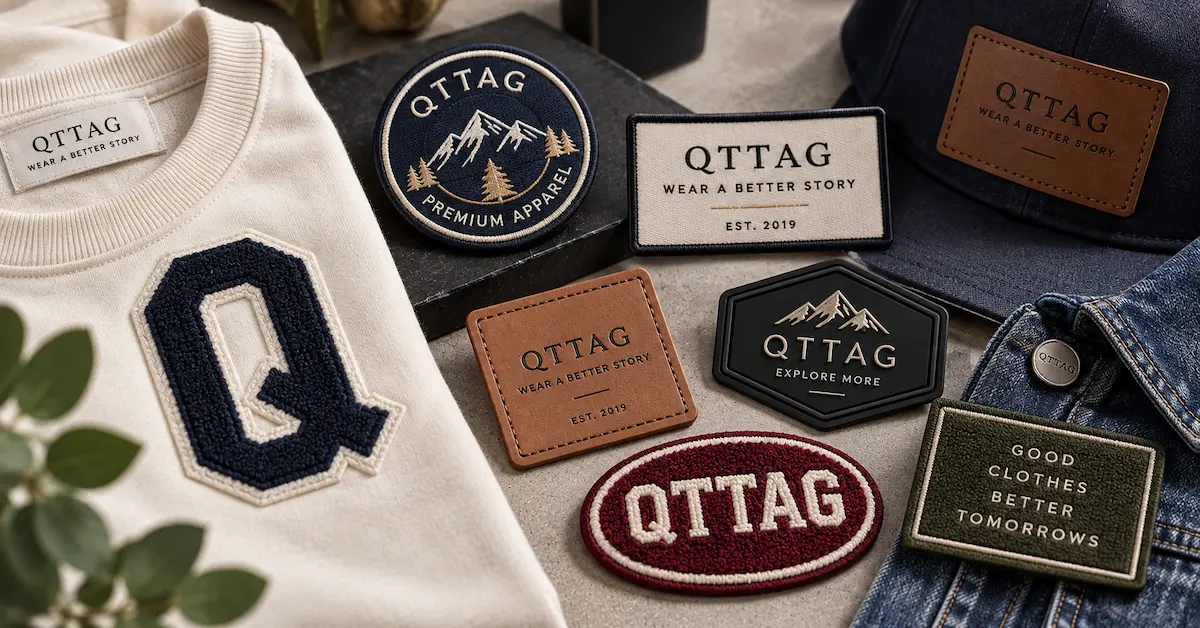
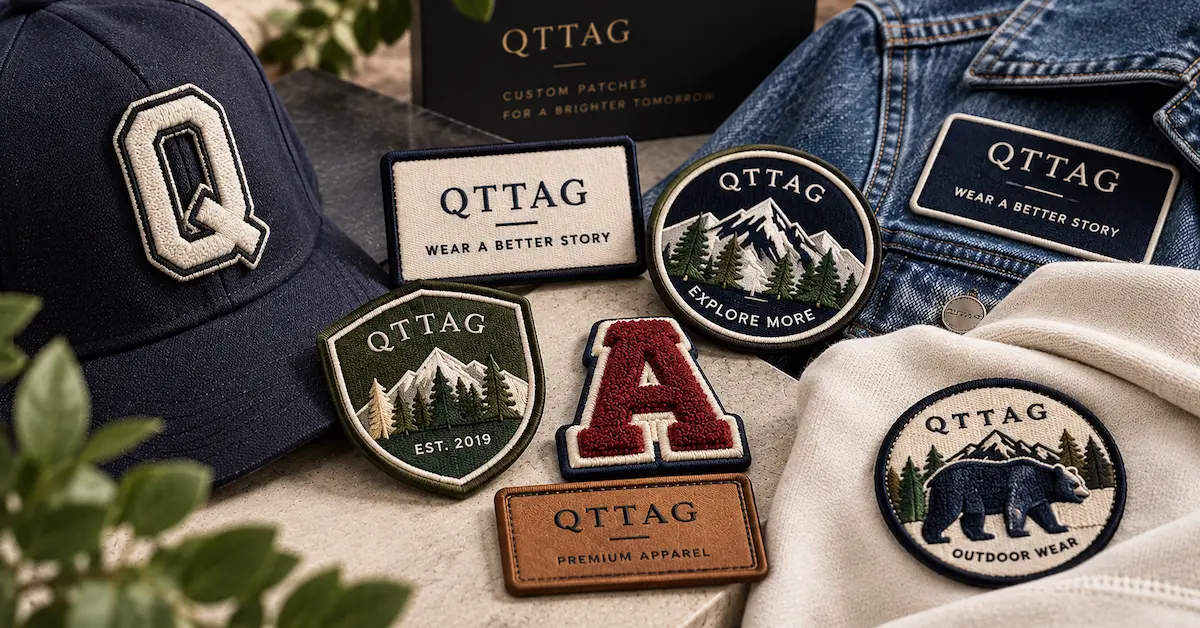
Custom patches allow clothing brands to add distinctive logos, emblems and decorative details to garments without printing the artwork directly onto the fabric. From finely woven brand symbols to raised embroidered logos and textured chenille lettering, different patch constructions create different visual and tactile effects.
For apparel sourcing teams, selecting the right patch involves more than choosing a design. Material construction, artwork resolution, backing type, edge finishing and garment compatibility all influence the finished result.
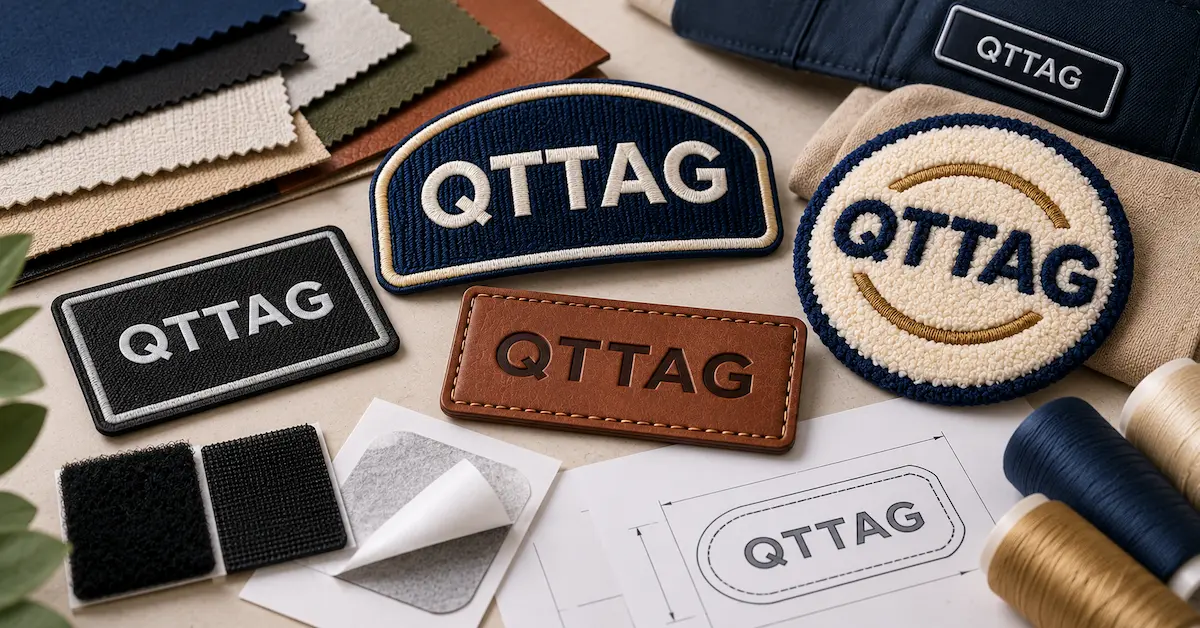
The best custom patches for apparel are those that match the brand artwork, garment fabric, intended appearance and attachment requirements. Woven patches are often considered for fine details, embroidered patches provide visible thread texture, chenille offers a raised appearance, and leather or molded patches create different surface effects.
This guide explains the main custom patch materials, backing options, design decisions, application methods and sample approval checks that clothing brands should evaluate before bulk production.
What Are Custom Patches?
Custom patches are separately manufactured branding or decorative components designed to be attached to clothing, accessories or textile products.
They may display a company logo, embroidered emblem, lettering, illustration, team symbol or other approved artwork.
Unlike direct printing, a patch has its own material structure and edge construction.
Depending on the design and manufacturing process, custom patches may be attached through stitching, heat-activated adhesives or other suitable methods.
Common applications include:
-
Fashion jackets and outerwear
-
Denim garments
-
T-shirts and sweatshirts
-
Sportswear and team clothing
-
Workwear and uniforms
-
Hats and caps
-
Bags and textile accessories
-
Fashion collections featuring decorative emblems
A patch can provide a recognizable branding element across different garments, but the selected construction must be appropriate for the intended application.
Why Brands Choose Custom Patches
Patches can introduce texture, depth and visual distinction.
They also allow brands to use a separately manufactured graphic component when direct printing or embroidery on the garment would not achieve the desired appearance.
However, a patch introduces additional attachment and construction requirements.
The design should therefore be evaluated as part of the finished garment rather than as an isolated decoration.
What Materials Are Used for Custom Apparel Patches?
Custom patches are available in several broad material categories.
Their manufacturing methods and finished characteristics can vary considerably.
The following comparison can help buyers identify which options deserve further sampling.
| Patch Type | Main Visual Characteristic | Typical Design Consideration |
|---|---|---|
| Woven patches | Fine textile detail with woven yarns | Small lettering and logo clarity |
| Embroidered patches | Visible stitching and thread texture | Stitch coverage and dimensional appearance |
| Chenille patches | Raised, soft-textured lettering or shapes | Thickness and decorative construction |
| Leather patches | Leather or leather-like surface | Marking, flexibility and material specification |
| PVC patches | Molded, dimensional polymer artwork | Thickness, relief and flexibility |
| Silicone patches | Flexible molded or printed silicone construction | Surface feel and compatibility |
These are general construction categories. Specific appearance, comfort and durability depend on the actual materials and manufacturing specifications.
Matching Material to Brand Identity
A heritage-inspired clothing collection may favor textured embroidery.
A minimalist brand might prefer a refined woven emblem.
A sportswear project may explore a flexible molded construction.
The correct choice depends on the intended appearance, garment use and approved physical sample.
Woven Patches: When Fine Logo Detail Matters
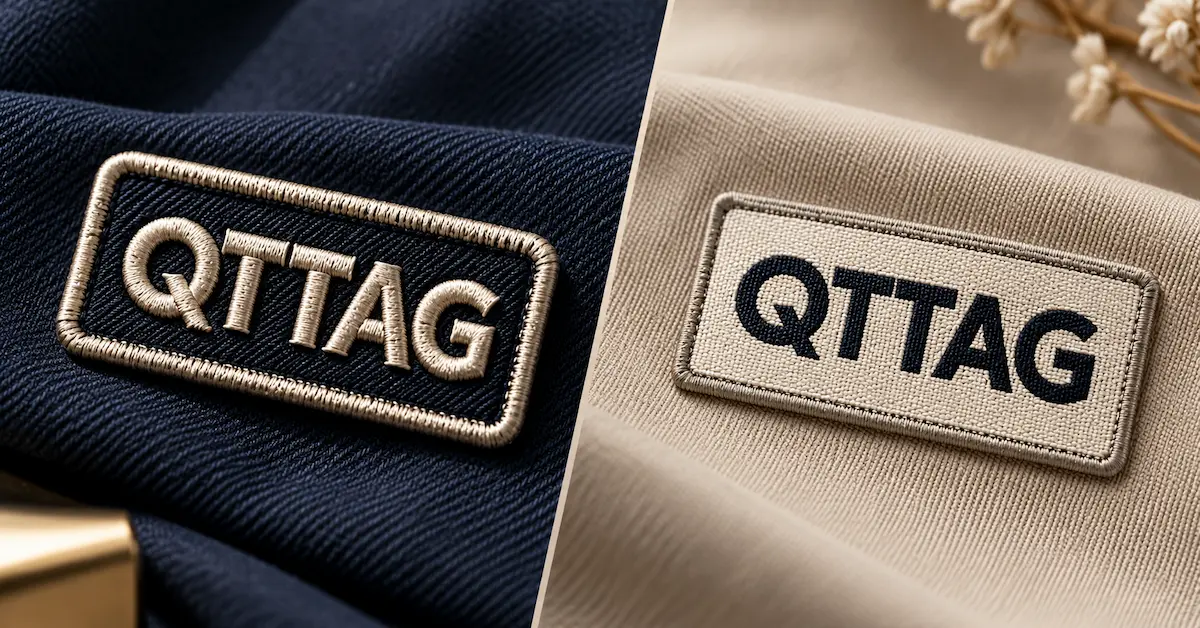
Woven patches use interlaced yarns to reproduce the intended artwork.
They can be considered when a design includes relatively fine lettering, detailed symbols or a flatter textile appearance.
Advantages of Woven Construction
Depending on the specification, woven patches may support:
-
Refined brand lettering
-
Small graphic details
-
Clear geometric artwork
-
Controlled yarn colors
-
A relatively low-profile textile construction
The actual detail capability depends on weave construction, yarn and finished dimensions.
Design Limitations
A highly detailed artwork file does not guarantee that every feature can be reproduced.
Very small text or narrow elements may require adjustments.
The supplier should review the artwork at its intended finished size before sampling.
Suitable Applications
Woven patches may be considered for fashion branding, outerwear, uniforms and selected accessories.
The patch edge and attachment method should be evaluated alongside the fabric.
Embroidered Patches: Creating Texture and Dimension
Embroidered patches reproduce artwork through stitching.
This creates a visible thread structure that can become part of the design.
Thread Texture
Embroidery can provide a distinctive raised appearance depending on stitch type and coverage.
The finished texture differs from a woven graphic.
Logo Construction
Artwork may need to be adapted for embroidery.
Thin lines, tiny lettering and densely packed details can be difficult to reproduce at small sizes.
The supplier should confirm stitch-related design limitations before sample development.
Backing Fabric
An embroidered patch generally uses a suitable base material.
Its construction influences stiffness, thickness and attachment.
Edge Finishing
Border construction can also affect the finished appearance.
Common options include suitable stitched borders or other edge-finishing methods, depending on the patch design.
Suitable Garments
Embroidered patches are often considered for jackets, uniforms, casualwear, bags and caps.
Garment fabric and patch weight should be reviewed before final approval.
Chenille Patches: Raised Branding for Fashion Apparel
Chenille patches are known for their raised, textured appearance.
They are often associated with prominent lettering, varsity-inspired designs and selected decorative apparel applications.
A Distinctive Surface
Chenille construction creates a different visual and tactile effect from conventional embroidery.
It can be useful when the design needs noticeable texture.
Artwork Requirements
Bold letters and relatively simple graphic elements may be suitable candidates.
Very fine details require careful evaluation because the construction may not reproduce them in the same way as a woven or printed patch.
Thickness and Garment Placement
A raised patch may affect how a lightweight garment drapes or feels.
Check whether the construction is appropriate for the intended position.
Typical Applications
Chenille patches are often considered for varsity jackets, sweatshirts, fashion outerwear and other garments where decorative texture is a design feature.
The finished result should be evaluated on a representative garment.
Leather Patches: A Different Material Direction
Leather patches provide an alternative surface character to woven and embroidered textile patches.
Depending on the selected material, the design may use embossing, debossing, printing or another compatible marking process.
Material Choices
A buyer may encounter genuine leather, synthetic leather or other leather-like materials.
These are not interchangeable specifications.
The supplier should identify the actual material rather than use a generic description.
Logo Finishing
The intended artwork may be applied through a compatible marking or finishing process.
Physical samples should be checked for clarity and surface quality.
Flexibility
Patch flexibility should match the garment's requirements.
A relatively stiff material may be unsuitable for certain lightweight or high-stretch fabrics.
Garment Applications
Leather patches may be considered for denim, outerwear, selected accessories and other clothing designs requiring this visual direction.
Any claims about material origin, environmental attributes or certifications should be supported by appropriate evidence.
PVC and Silicone Patches: Molded Design Options
PVC and silicone patches provide different construction possibilities from traditional textile patches.
They may be considered when a brand wants dimensional shapes, defined surfaces or selected flexible designs.
PVC Patches
PVC constructions can be manufactured with molded artwork and raised design elements.
The finished product may include separate color regions or relief features.
Manufacturing feasibility depends on the actual mold design and material specification.
Silicone Patches
Silicone constructions may offer particular flexibility and surface characteristics.
Their suitability depends on the formulation, patch thickness, attachment and garment requirements.
Comparing Molded and Textile Patches
| Factor | Textile Patches | Molded Polymer Patches |
|---|---|---|
| Visual structure | Yarns or embroidery stitches | Molded or formed surface |
| Surface texture | Woven or stitched | Smooth or textured molded effect |
| Fine detail | Depends on textile construction | Depends on mold and process |
| Flexibility | Depends on materials and backing | Depends on formulation and thickness |
| Attachment | Sewing or suitable compatible method | Requires construction-specific attachment |
Neither material group is universally better.
The decision should be based on design, garment compatibility and approved samples.
What Backing Options Are Available for Custom Patches?
The backing is one of the most important purchasing decisions because it influences how the patch attaches to the garment.
Common options may include sew-on constructions, heat-activated adhesives and other application-specific systems.
Sew-On Patches
Sew-on patches are attached through stitching.
They can be suitable for many garment applications where stitching is acceptable.
The buyer should confirm sewing allowance, edge construction and intended stitch placement.
Iron-On Patches
Iron-on patches use a suitable heat-activated adhesive system.
Application requires compatible materials and validated heat, pressure and time.
Not all garment fabrics can tolerate the same conditions.
Adhesive Backings
Some patches use pressure-sensitive adhesive systems.
These may be designed for particular temporary or specific-use applications.
Buyers should not assume that a pressure-sensitive adhesive provides permanent washable garment attachment.
Hook-and-Loop Backings
Hook-and-loop systems allow selected patches to be attached and removed from compatible garments or accessories.
This may be useful where interchangeability is required.
Comparison of Patch Backings
| Backing Type | Attachment Method | Main Purchasing Check |
|---|---|---|
| Sew-on | Stitching | Edge construction and sewing compatibility |
| Iron-on | Heat-activated adhesive | Fabric and application validation |
| Pressure-sensitive adhesive | Adhesive contact | Intended duration and use conditions |
| Hook-and-loop | Compatible fastening surfaces | Attachment design and repeat use |
The correct backing should be established before bulk manufacturing.
Sew-On vs. Iron-On Patches: Which Is Better?
The better method depends on the garment and the required performance.
Sew-on patches can provide a mechanical attachment through stitching, while iron-on patches rely on an appropriate adhesive bond.
When Sew-On May Be Suitable
Stitching may be preferable when:
-
The garment can accommodate sewing.
-
The construction requires a mechanical attachment.
-
Heat application is unsuitable.
-
The patch design benefits from visible stitching.
When Iron-On May Be Suitable
Heat-activated backing may be considered when:
-
The selected fabric is compatible with the application conditions.
-
The patch and adhesive are designed for the intended use.
-
Production equipment can apply validated heat and pressure.
-
The finished garment passes appropriate testing.
Durability Considerations
Neither attachment method should be described as universally permanent.
Durability depends on material compatibility, application quality and the garment's actual washing and wear conditions.
Physical testing is essential.
How to Choose Custom Patch Size, Shape and Edge Finishing
Patch dimensions should follow the artwork, garment and intended visual effect.
A large patch may become a dominant decorative element, while a smaller patch may serve as a subtle brand identifier.
Patch Dimensions
Confirm the finished width and height.
The dimensions should include relevant construction or edge allowances.
Artwork Proportion
The artwork should remain recognizable at the intended size.
Digital mockups should not replace actual-size samples.
Patch Shape
Standard circles, rectangles and custom outlines may be possible depending on the manufacturing method.
Complex shapes can introduce additional tooling or cutting requirements.
Edge Construction
The edge may use stitching, cutting, binding or another suitable finish.
The selected construction affects appearance, handling and attachment.
Placement on Clothing
Patch location influences both appearance and garment movement.
Common positions include:
-
Chest
-
Sleeve
-
Back
-
Pocket area
-
Hem
-
Selected accessory surfaces
Placement should be approved on the actual garment style.
Designing Custom Patches for Clothing Brands
Custom patches for clothing brands should be developed around the approved visual identity and intended garment application.
A patch is not simply a printed logo converted into another format.
Each material has its own design limitations.
Prepare Suitable Artwork
Vector files are commonly useful for logos and defined shapes.
The supplier should confirm the required format.
Review Color Reproduction
Textile yarns, embroidery threads and molded materials may reproduce colors differently.
Use appropriate physical references when brand color consistency is important.
Consider Small Text
Fine lettering may need adjustments depending on the patch construction.
A woven patch, embroidered patch and molded patch may produce different results from the same artwork.
Evaluate Texture and Thickness
Patch surface texture can affect the intended garment appearance.
The product should also be suitable for the fabric's flexibility and drape.
Confirm the Backing Early
The intended attachment method can influence the patch construction.
Backing selection should not be postponed until after the artwork has been approved.
Matching Patch Materials to Different Apparel Products
Different garments may require different patch constructions.
| Garment | Design Consideration | What to Test |
|---|---|---|
| Denim jackets | Decorative texture and placement | Attachment and fabric behavior |
| Sweatshirts | Texture and flexibility | Drape and laundering |
| Sportswear | Weight and movement | Stretch and application |
| Workwear | Identification and repeated use | Attachment and expected wear |
| Hats and caps | Curved surface and placement | Shape and sewing |
| T-shirts | Lightweight fabric | Patch bulk and comfort |
| Bags | Surface and handling | Attachment suitability |
A patch approved for denim should not automatically be considered appropriate for lightweight jersey or stretch fabrics.
Each application should be evaluated separately when the material or garment construction changes.
How Are Custom Patches Applied to Clothing?
Application depends on the patch backing and the garment.
Sew-On Application
The patch is positioned and stitched according to the approved attachment method.
Important considerations include placement, stitch coverage and fabric suitability.
Heat Application
A compatible iron-on patch is positioned and applied using the validated conditions provided for that product.
Temperature, pressure and dwell time must be appropriate for both patch and garment.
There is no universal heat setting for all iron-on patches.
Hook-and-Loop Application
Compatible hook-and-loop components are attached according to the intended construction.
The system should be evaluated for attachment, removal and expected use.
Final Inspection
After application, inspect the garment for:
-
Incorrect positioning
-
Distorted patch shape
-
Incomplete attachment
-
Fabric damage
-
Loose edges
-
Unacceptable changes in garment appearance
The completed garment is the relevant approval reference.
What Determines Custom Patch Durability?
Patch durability depends on the combined materials, attachment and intended garment use.
A visually acceptable sample is not necessarily proof of long-term performance.
Material Construction
Yarns, threads, molded materials and other components influence how a patch behaves during use.
Attachment
Poorly executed stitching or incompatible adhesives can affect attachment performance.
Laundering
Washing exposes garments to moisture, detergents, movement and changes in temperature.
Tests should reflect the intended care conditions.
Stretch and Movement
A patch on fitted clothing may experience repeated movement.
The patch and attachment must be evaluated accordingly.
Edge Quality
Edge construction can influence how the patch behaves during wear and laundering.
Readability
If the patch contains identification information, the relevant details should remain legible for the intended use.
Avoid unsupported guarantees about the number of washes a patch will withstand.
Common Custom Patch Problems and How to Prevent Them
Several defects can arise when the wrong materials or attachment methods are selected.
| Problem | Possible Cause | Recommended Check |
|---|---|---|
| Patch edges lift | Unsuitable adhesive or application | Check backing and conditions |
| Stitching becomes loose | Inadequate attachment | Review sewing construction |
| Small logo details disappear | Design exceeds production capabilities | Revise artwork and sample |
| Patch feels too heavy | Unsuitable material or size | Compare alternative constructions |
| Fabric distorts | Attachment or patch stiffness | Test finished garment |
| Color differs from artwork | Material and process variation | Approve physical color sample |
| Patch shape varies | Cutting or construction inconsistency | Review production references |
These are general manufacturing risks rather than claims about defects in any particular QTTAG product.
A useful quality investigation compares the finished garment, patch sample and approved specification.
How to Approve Custom Patch Samples Before Bulk Production
Physical sampling helps buyers evaluate the combined effect of artwork, material, backing and garment attachment.
Step 1: Review the Artwork
Confirm the logo, dimensions, colors and intended construction.
Step 2: Select Patch Materials
Compare appropriate woven, embroidered, chenille, leather or molded options.
Step 3: Choose the Backing
Select the attachment method based on the garment and intended use.
Step 4: Produce a Physical Sample
The sample should represent the proposed construction as closely as practical.
Step 5: Inspect the Patch
Evaluate dimensions, artwork, texture, colors, edges and backing.
Step 6: Apply It to a Garment
Use a representative garment and the intended attachment process.
Step 7: Evaluate Performance
Perform suitable handling, washing or movement tests according to the product requirements.
Step 8: Approve the Production Reference
Retain the accepted sample, artwork version and relevant manufacturing instructions.
| Sample Approval Item | What Buyers Should Check |
|---|---|
| Logo | Shape, clarity and proportions |
| Material | Texture and construction |
| Dimensions | Finished size |
| Color | Approved physical appearance |
| Edges | Finishing quality |
| Backing | Correct attachment construction |
| Garment application | Placement and compatibility |
| Performance | Defined use and laundering criteria |
How Much Do Custom Patches Cost?
The cost of custom patches depends on the selected construction and order requirements.
Important cost factors may include:
-
Patch material
-
Dimensions
-
Artwork complexity
-
Number of colors
-
Embroidery or weave specifications
-
Mold or tooling requirements
-
Edge finishing
-
Backing type
-
Order quantity
-
Number of design variations
-
Sample development
-
Packing and delivery requirements
Material and Manufacturing Method
Different construction methods involve different production requirements.
A woven patch and a molded PVC patch should not be compared only by finished dimensions.
Artwork Complexity
Fine details, additional colors and complex shapes may affect production preparation.
Backing Options
Attachment construction can affect the finished product cost.
Order Quantity
Minimum quantities and price breaks vary by supplier and manufacturing process.
Total Applied Cost
Buyers should also consider garment application.
A patch with a lower unit price may require additional sewing or handling.
The complete cost of obtaining an acceptable finished garment is often more useful than the standalone patch price.
What Should Buyers Include in a Custom Patch RFQ?
A complete purchasing brief helps the supplier evaluate the proposed patch and recommend a suitable construction.
| RFQ Requirement | Information to Provide |
|---|---|
| Brand artwork | Approved logo or design file |
| Garment type | Jacket, sweatshirt, uniform, cap, etc. |
| Fabric | Actual material and relevant finishes |
| Patch type | Woven, embroidered, chenille, leather or other |
| Dimensions | Finished width and height |
| Colors | Approved artwork references |
| Backing | Sew-on, iron-on or another suitable system |
| Edge finish | Preferred construction |
| Placement | Intended garment location |
| Quantity | Estimated order volume |
| Variations | Different colors, sizes or designs |
| Performance | Washing, movement or wear requirements |
| Sampling | Physical sample approval requirements |
| Delivery | Destination and target schedule |
Where the buyer is uncertain about the best material, supplying the artwork, garment fabric and intended use is a useful starting point.
Frequently Asked Questions About Custom Patches
What are the main types of custom patches for clothing?
Common options include woven, embroidered, chenille, leather, PVC and silicone patches. Each construction offers different visual effects and manufacturing considerations.
Are woven patches better than embroidered patches?
Neither is universally better. Woven patches may be suitable for certain fine details, while embroidered patches create distinctive stitched texture. The choice depends on artwork and garment requirements.
What is the difference between sew-on and iron-on patches?
Sew-on patches are attached through stitching. Iron-on patches use compatible heat-activated adhesives. Their suitability depends on the garment and required performance.
Can custom patches be applied to T-shirts?
Some patch constructions can be applied to T-shirts, but the material, weight, backing and fabric compatibility must be evaluated to avoid undesirable bulk or distortion.
Which patches are suitable for jackets and uniforms?
Woven, embroidered and other patch constructions may be appropriate depending on the design and intended use. Attachment requirements should be confirmed through sampling.
Can custom patches reproduce small logos?
Small details may be possible with suitable manufacturing methods, but actual results depend on the artwork and finished size. Physical samples should be approved before production.
How durable are iron-on patches?
Durability depends on the adhesive, patch construction, garment material, application and laundering conditions. Product-specific testing is required.
What is the minimum order quantity for custom patches?
Minimum quantities depend on the supplier, patch type, artwork and production requirements. Request a quotation based on the intended specification.
Develop Custom Patches With QTTAG
Choosing custom patches for apparel requires an understanding of the intended garment, artwork and finished visual effect.
Woven, embroidered, chenille, leather and molded options each offer different design characteristics. Backing and attachment methods should be selected together with the patch construction.
When developing a new apparel collection, prepare the approved artwork, intended garment materials, patch dimensions, color references and expected order quantity.
These details provide a starting point for reviewing suitable patch options, physical sampling and production requirements.
QTTAG focuses on custom apparel branding and related product development. Specific patch materials, constructions and backing options should be confirmed with the team before ordering.
Ready to Create Custom Patches for Your Clothing Brand?
Share your logo artwork, garment type, preferred patch material, dimensions, backing requirements and estimated order quantity with QTTAG.
Our team can discuss available customization and sampling options for your apparel collection.
Request a Quote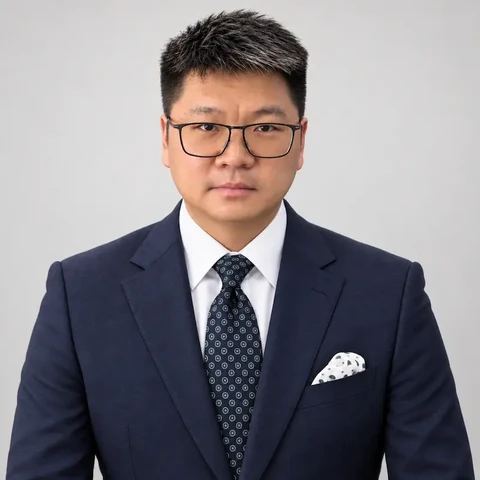
Author
Founder at QTTAG
Jason Qiao is the founder of QTTAG, focusing on garment branding and packaging solutions. With years of experience in the apparel industry, he shares practical insights on custom labels, hang tags and sustainable packaging to help global brands grow.
Written By
Jason Qiao