
Visible Artwork Area
Identify the portion of the label that can be seen after folding and stitching.
22 Years of Expertise in Custom Labels & Packaging
Compare common clothing label constructions, visible sizes, seam allowances and artwork placement before specifying custom woven or printed labels for your garments.

Fold construction influences how much artwork remains visible, where the label attaches, and how it sits against the garment. Choose the structure with the intended sewing position in mind.
Identify the portion of the label that can be seen after folding and stitching.
Allow space where the label is sewn, keeping important artwork clear of seams.
Confirm which face of the artwork is shown and how text reads when the label is attached.
Consider label placement, folded edges and appropriate material feel.
Compare conceptual options for how garment labels are folded, cut or supplied on rolls. These illustrations are not dimensioned production drawings. Final construction, sewing allowances and availability must be confirmed for each order.
| Conceptual Diagram | Folding & Cutting Methods | Introduction | Best Considered For | Confirm |
|---|---|---|---|---|
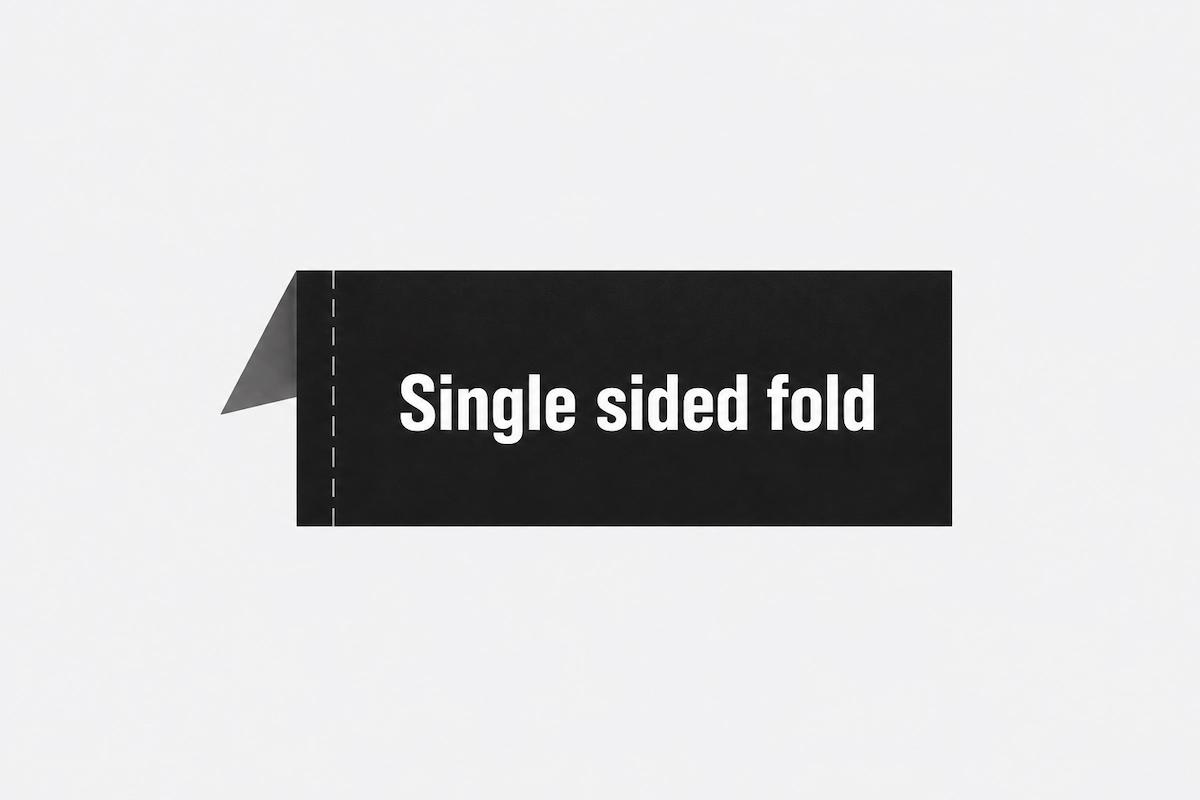 | Single Sided Fold | A single edge of the label is folded back to create a finished attachment area, while the remaining edges retain their specified cut construction. | Selected garment labels that require a folded sewing allowance on one side without folding the entire label. | Specify which edge is folded, the fold depth, finished visible dimensions, edge treatment and intended sewing position. |
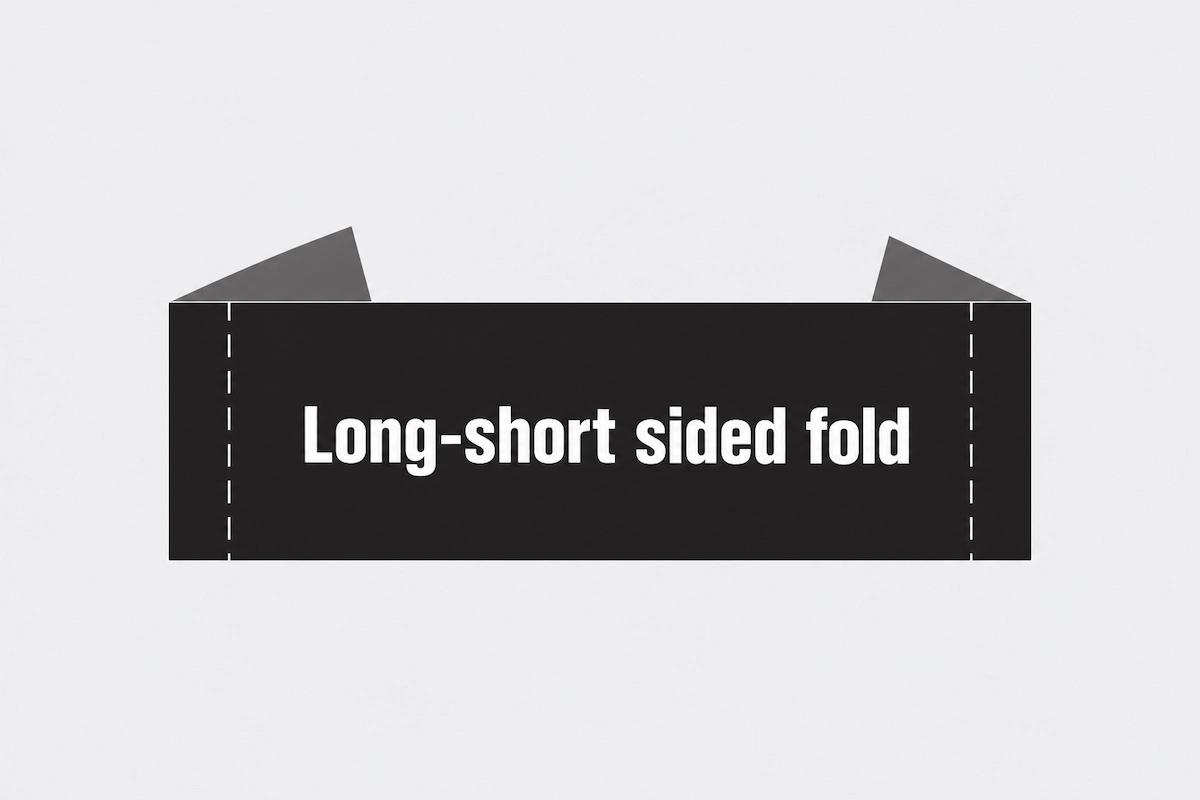 | Long-Short Sided Fold | An asymmetrical construction uses unequal folding allowances to accommodate different attachment positions or the required finished presentation. | Custom woven labels where the two folded sections need different lengths to suit the selected garment construction. | Provide the longer and shorter fold dimensions, the visible face size, fold orientation and required seam allowances. |
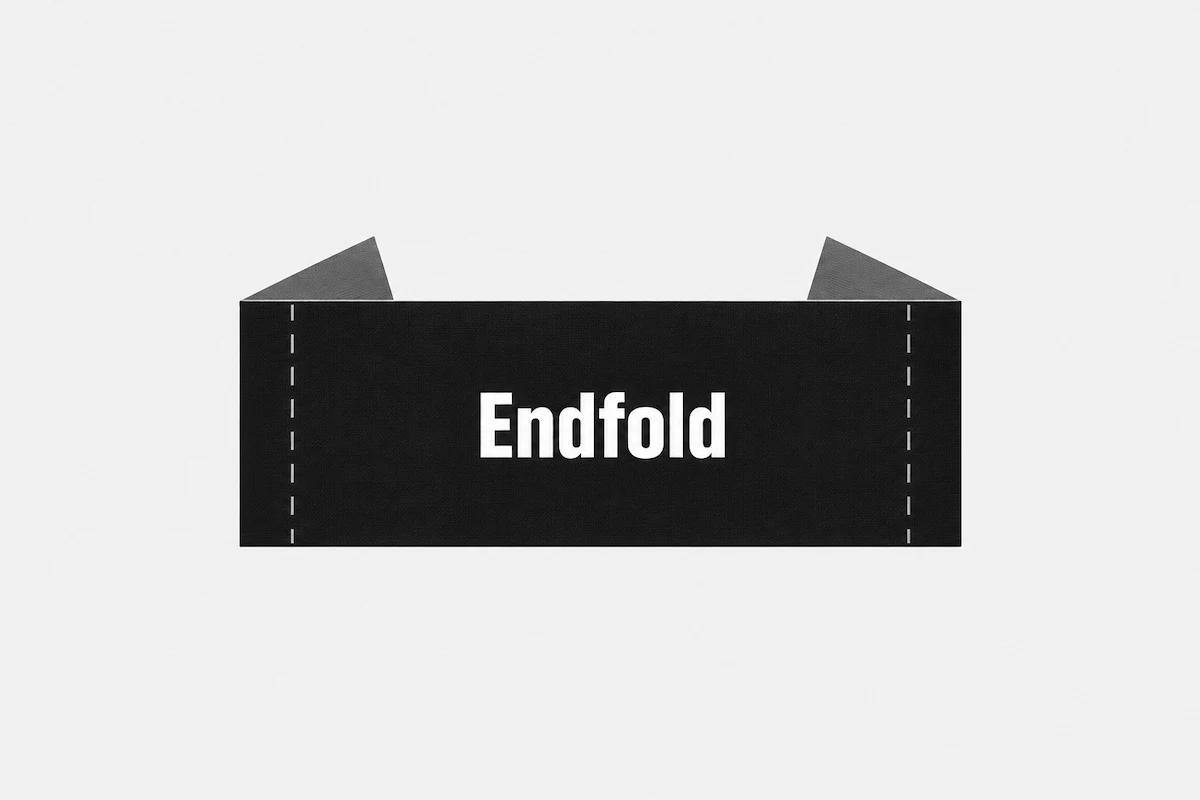 | End Fold | Both short ends of the label fold to the reverse side, concealing the cut edges and creating two finished attachment areas. | Neck labels, selected external brand labels and applications requiring a flat visible face with folded ends. | Confirm the finished width, left and right fold allowances, edge treatment, stitch positions and visibility after attachment. |
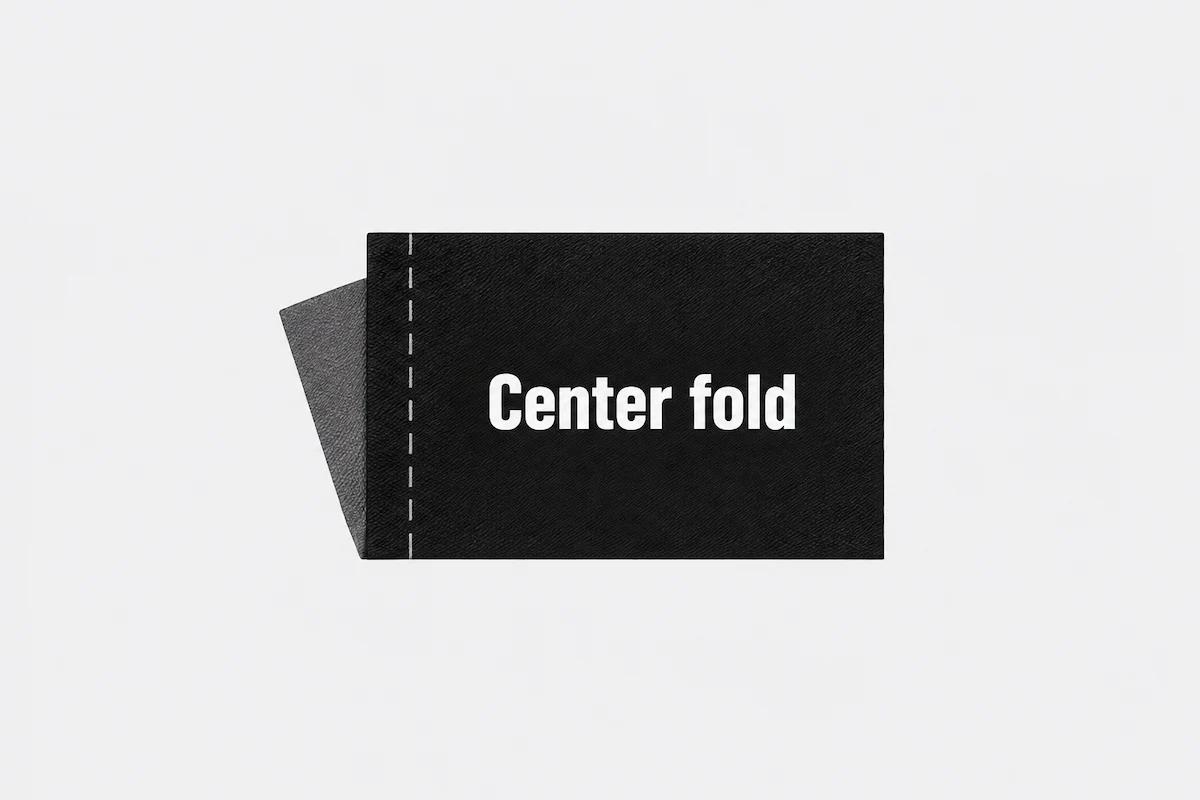 | Center Fold | The label is folded at its midpoint to form two connected faces, allowing branding or product information to appear on the relevant visible surfaces. | Neck and side-seam garment labels where a folded structure is sewn into the garment seam. | Check fold direction, finished dimensions, front and back artwork orientation, seam allowance and sewing position. |
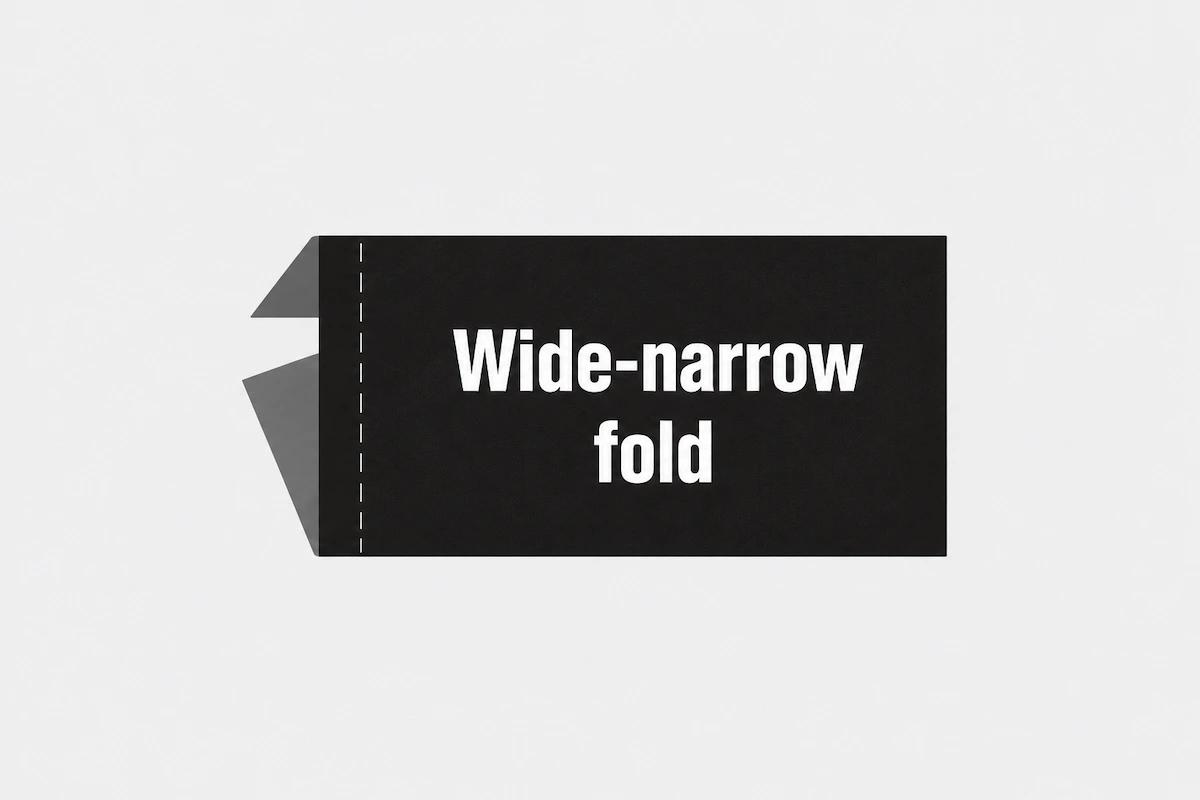 | Wide-Narrow Fold | This asymmetrical fold arrangement creates sections of different widths, allowing the finished label structure to suit a specific attachment design. | Special garment-label applications where a standard symmetrical fold does not provide the required visible area or attachment allowance. | Specify each fold width, the finished visible area, fold direction, seam allowance and the required construction reference. |
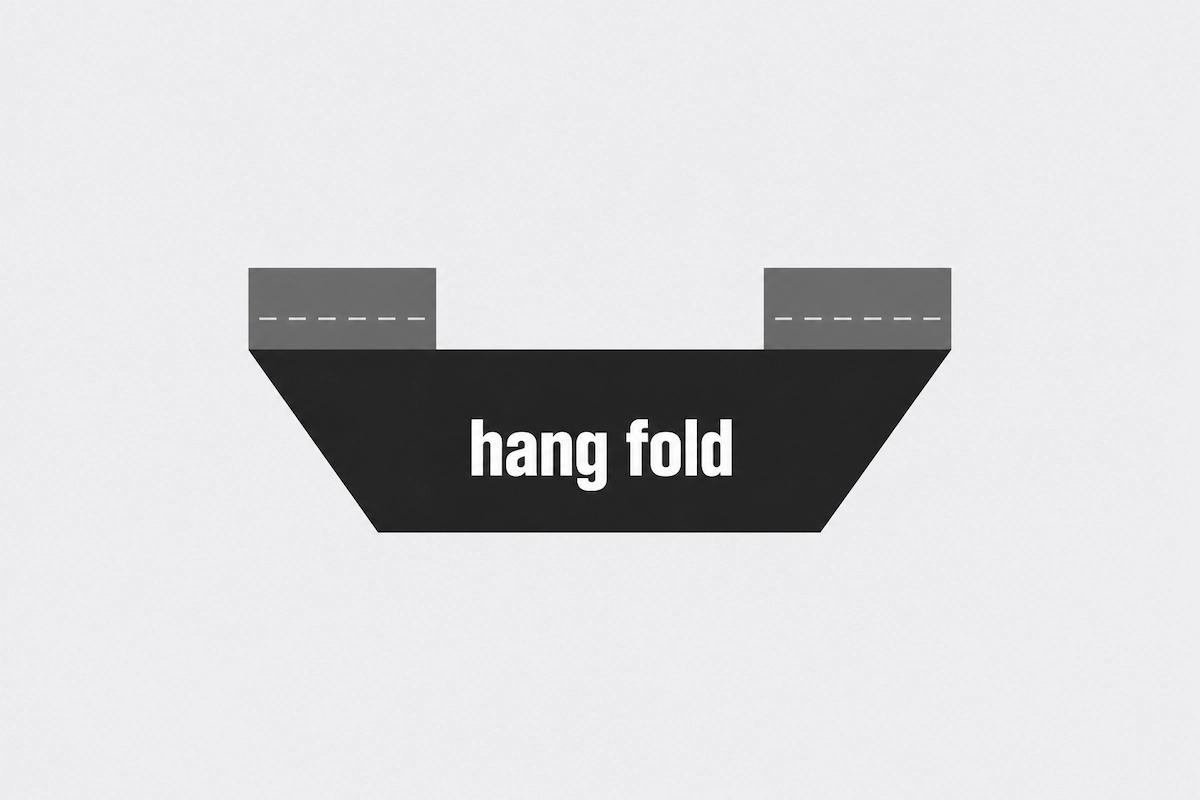 | Hang Fold | A shaped fold arrangement creates a visible label body with attachment sections intended to be secured into the garment construction. | Selected hanging label presentations and garment applications requiring a distinct attachment structure. | Review the fold angles, attachment tabs, finished dimensions, stitch locations and the supplier's exact construction method. |
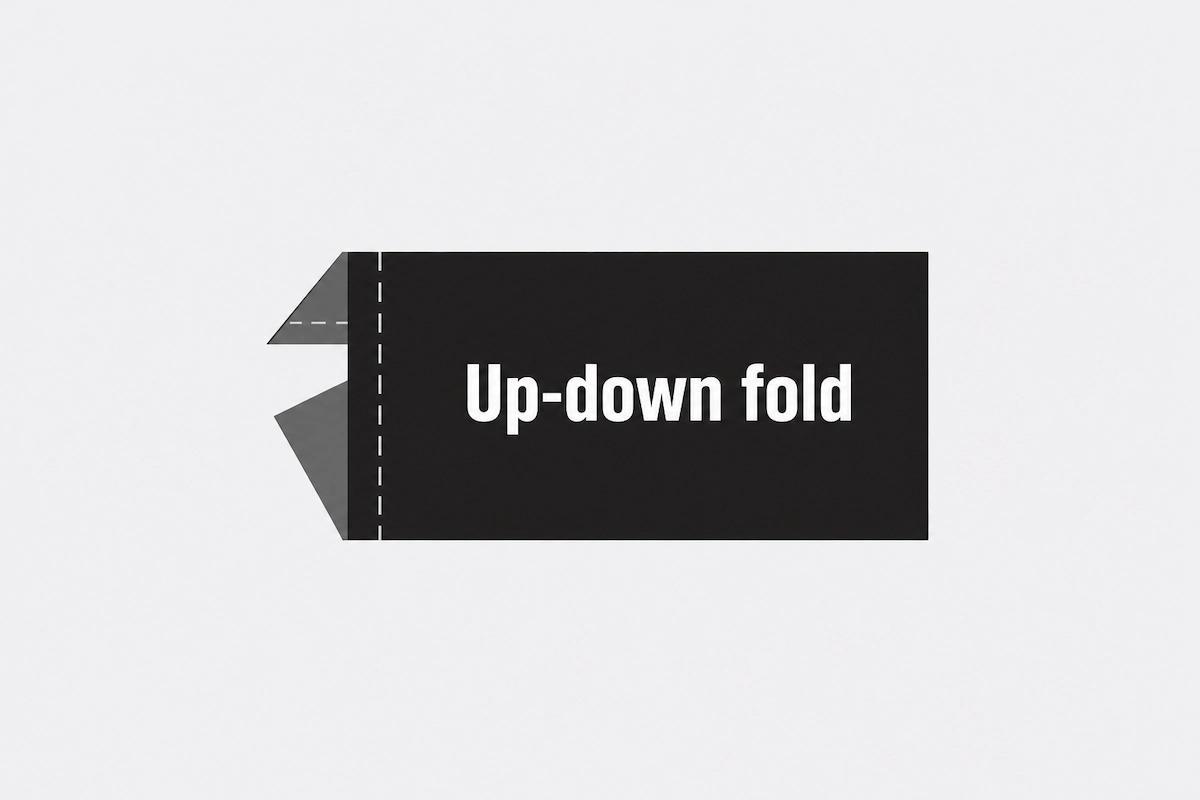 | Up-Down Fold | The label incorporates folding sections positioned in different directions or levels to achieve a specified finished arrangement. | Customized garment-label constructions requiring a defined fold orientation and attachment arrangement. | Provide an approved folding diagram, fold direction, finished dimensions, sewing allowances and the visibility of each face. |
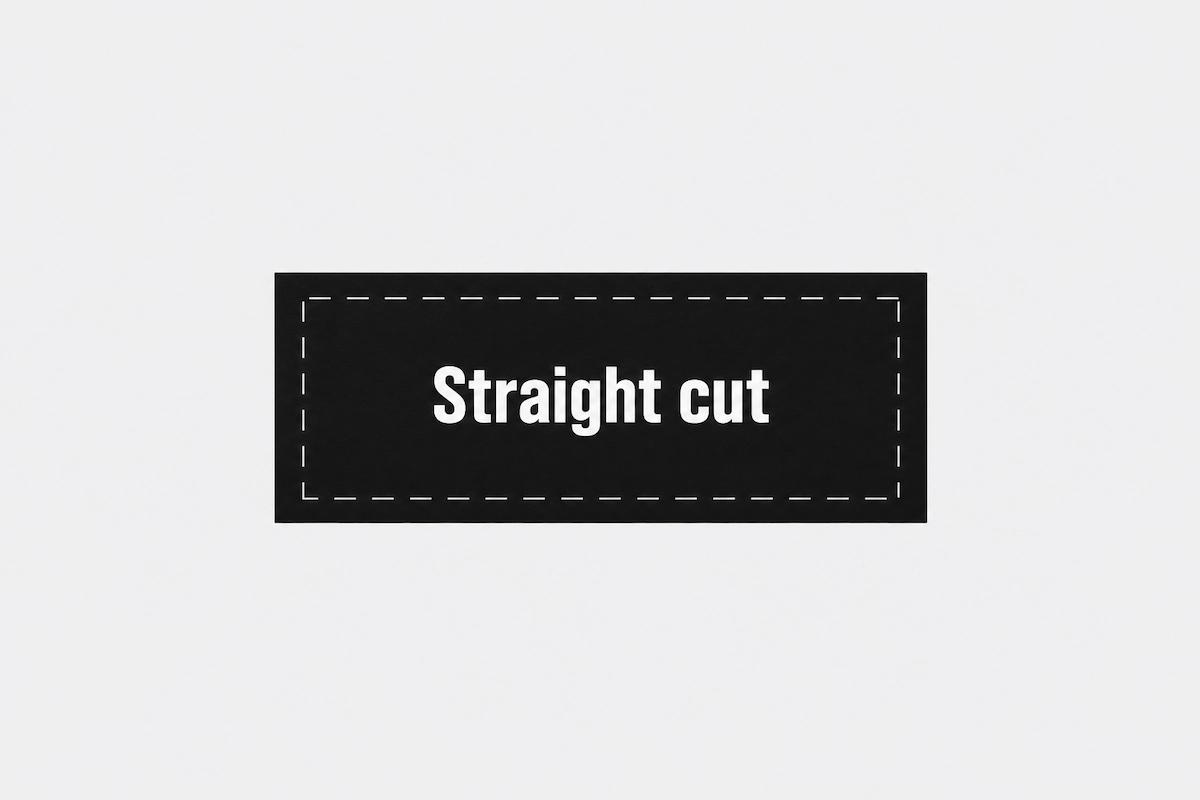 | Straight Cut | The label is cut to its specified finished shape without an additional fold. Edge finishing depends on the material and cutting method. | Flat brand labels, garment patches and selected sew-on applications requiring a simple finished shape. | Confirm finished width and height, cutting method, edge behavior, attachment position and any required backing. |
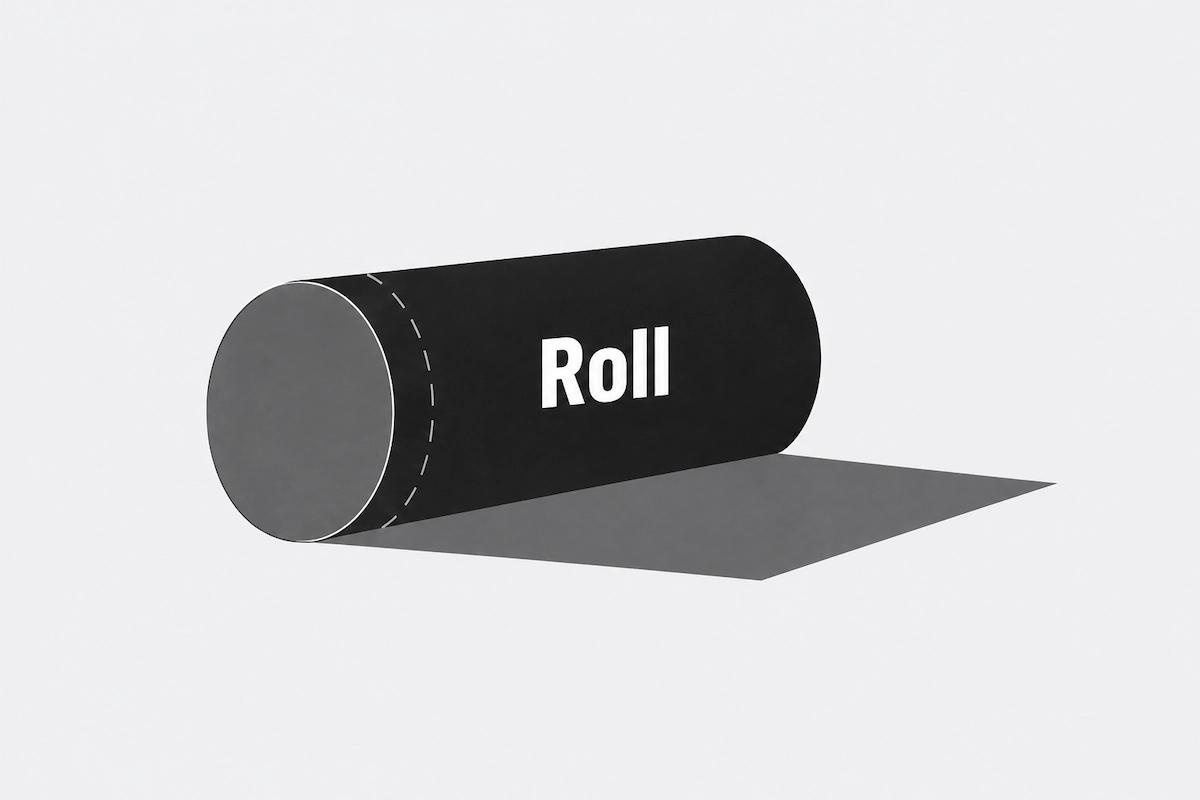 | Roll | Labels or woven tapes are supplied in continuous roll form rather than as individually cut and folded pieces, allowing subsequent processing or separation. | Continuous label applications and manufacturing workflows where cutting or further conversion is completed after delivery. | Check tape width, roll length, artwork repeat distance, cutting references, winding direction and subsequent processing requirements. |
A finished label measurement describes what remains after folding; the flat blank may need additional material for fold returns and sewing allowance. The amount varies by fold style, fabric and production method.
Specify the finished visible face height, desired width and sewing allowance. Do not assume the flat length is exactly twice the visible height.
Specify the visible centre width and the return allowance at both ends separately.
Confirm whether the dimensions refer to the cut piece or the visible stitched area.
Start with where the label will be attached, what needs to remain visible and how the finished item will be handled. Use these recommendations to narrow down suitable construction options, then confirm the final specifications with physical samples.
A brand label positioned at the back neckline should remain readable while fitting the collar seam and garment construction.
Check the visible face dimensions, front and reverse orientation, sewing allowances and potential contact with the wearer's skin.
A label sewn into a garment side seam needs suitable fold orientation, adequate attachment allowance and a comfortable finished edge.
Review the seam position, visible information, folded thickness, edge finish and comfort against the garment.
An externally visible brand label should present the artwork clearly while allowing secure attachment to the selected garment edge.
Confirm the visible dimensions, attachment method, finished edges and stitch placement before production.
Labels used on accessories, bags or textile products may require different attachment allowances and construction details from standard garment seam labels.
Review the substrate, attachment surface, sewing method, label dimensions and expected handling conditions.
Some garment designs need an asymmetrical construction because the available sewing space or required visible area differs between attachment points.
Provide the intended fold geometry, visible face dimensions, individual fold allowances and an approved construction reference.
Certain applications call for a shaped label presentation or attachment sections that differ from conventional symmetrical folds.
Confirm the actual folded sample, attachment tabs, fold direction, stitch locations and compatibility with the garment construction.
Some manufacturing workflows require label tape in continuous rolls for later cutting, sewing or conversion rather than individually folded pieces.
Specify tape width, artwork repeat length, roll winding direction, cutting references and subsequent processing requirements.
The flat artwork file should show where each printed or woven element lands after folding. Treat folds and sewing as part of the design, not an afterthought.
Mark intended readable faces, direction and whether information appears on both sides.
Identify folds as reference guides; do not print guide lines as part of the design.
Keep essential logo elements and small text outside the agreed sewing region.
Review a folded mockup before finalizing production artwork.
A physical reference helps identify how a flat design behaves when cut, folded and attached. Review the finished example on the actual garment where feasible.
Check logo and lettering at the size seen after sewing.
Examine folds, edges and consistency of the expected shape.
Check whether the label can be attached at the intended seam or edge.
Consider the folded material against the wearer or product.
Send a concise fold brief so the finished sample, dimensions and attachment details can be reviewed together.
Straight cut, centre fold, end fold, loop fold or confirmed alternative
Visible width and height, plus measurement units
Current file with front/reverse orientation and fold guides
Neck, side seam, exterior hem or other attachment location
Woven or printed construction and any specified edge finish
Quantity per design, size and variation
Technical answers to common questions about folded clothing labels and artwork setup.
Have more questions? Visit all FAQsA centre fold typically folds the label across its midpoint to form two faces, while an end fold turns the two ends to the back to make attachment tabs. The best choice depends on the visible face, garment position and sewing method.
Start with the required finished dimensions, identify each fold return and allow for any agreed sewing area. The exact flat dimensions depend on construction and production method, so approve a dimensioned drawing rather than applying one formula to all folds.
Centre-fold and certain other folded constructions are common considerations, but suitability depends on the neckline seam, required label presentation, fabric and wearer comfort. Confirm the intended attachment with your garment manufacturer.
Labels sewn into a garment generally require an appropriate attachment area. Its size varies with the fold type, material and sewing method, and should be agreed before artwork approval.
The brand graphics may be reusable, but the artwork layout often needs adjustment because different folds change visible panels, fold lines and attachment zones. Review a new proof for each construction.
Provide the chosen fold, finished dimensions, artwork orientation, attachment location, material preference, color references, quantity and any approved sample or drawing. QTTAG can review the requirements for feasibility.
Share your garment application, label artwork, visible dimensions and preferred fold construction with QTTAG. We can review practical options for your custom woven or printed labels.