Branded Paper Bags for a Boutique Clothing Store

A branded paper bag is often the final part of a customer's in-store shopping experience. After choosing a garment, examining its labels and completing a purchase, the customer leaves carrying packaging that represents the boutique beyond the store itself.
For fashion retailers, a shopping bag needs to do more than display an attractive logo. Its size must accommodate the clothing, its handles must support the intended contents, and its material and printing should match the store's visual identity.
A beautiful bag that tears at the handles, loses its shape or cannot comfortably hold a folded garment does not provide a successful retail packaging solution.
This boutique paper bag case study brief explores how clothing stores can develop custom branded shopping bags through material selection, structural planning, handle evaluation, printing design and physical sample approval.
The objective is to create packaging that supports the boutique's brand presentation while remaining practical for everyday retail use.
Project status: This article presents a representative boutique retail packaging brief. Customer-specific requirements, actual QTTAG production samples, order records and completed results must be verified before publication as a finished customer case study.
Project Overview: Branded Shopping Bags for a Boutique
Boutique clothing stores may sell dresses, shirts, knitwear, jackets and fashion accessories within the same retail environment.
These products differ in size, weight and folding requirements. A suitable shopping bag system must accommodate those variations without creating an inconsistent brand presentation.
For this project scenario, the development objective is to establish a coordinated paper shopping bag specification for a fashion boutique.
| Project Element | Development Requirement |
|---|---|
| Product | Custom branded paper shopping bags |
| Application | Boutique clothing retail |
| Main objective | Coordinated branding and practical garment carrying |
| Paper selection | Suitable paper weight, surface and construction |
| Structural requirements | Appropriate width, height, gusset and base |
| Printing | Clear logo reproduction and brand colors |
| Handle options | Paper, cotton cord, ribbon or other compatible designs |
| Performance | Bag and handle suitability for intended contents |
| Sampling | Physical printed and assembled samples |
| Quality control | Dimensions, printing, folding and handle attachment |
| Production goal | Repeatable retail packaging across selected bag sizes |
The purchasing challenge is determining which construction best supports the boutique's products and desired customer experience.
A bag that looks proportional when empty may behave differently after it is filled with clothing. That is why physical handling and product-fit evaluation should be part of sample approval.
The Branding Challenge: Making a Shopping Bag Part of the Store Identity
A boutique's visual identity usually extends beyond the clothing itself.
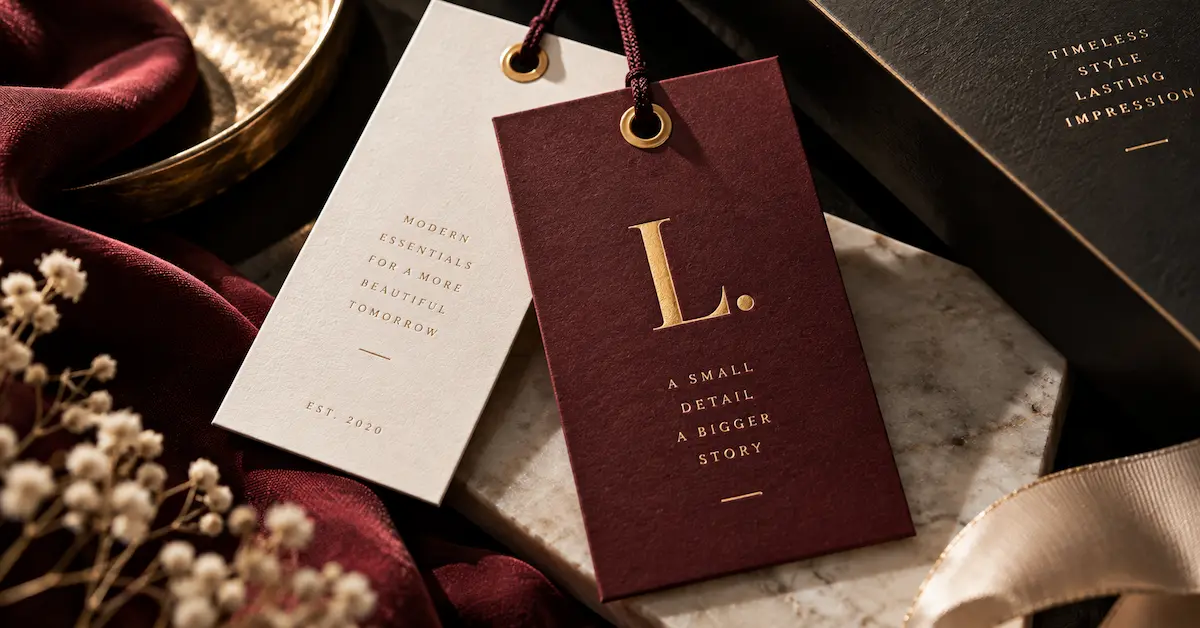
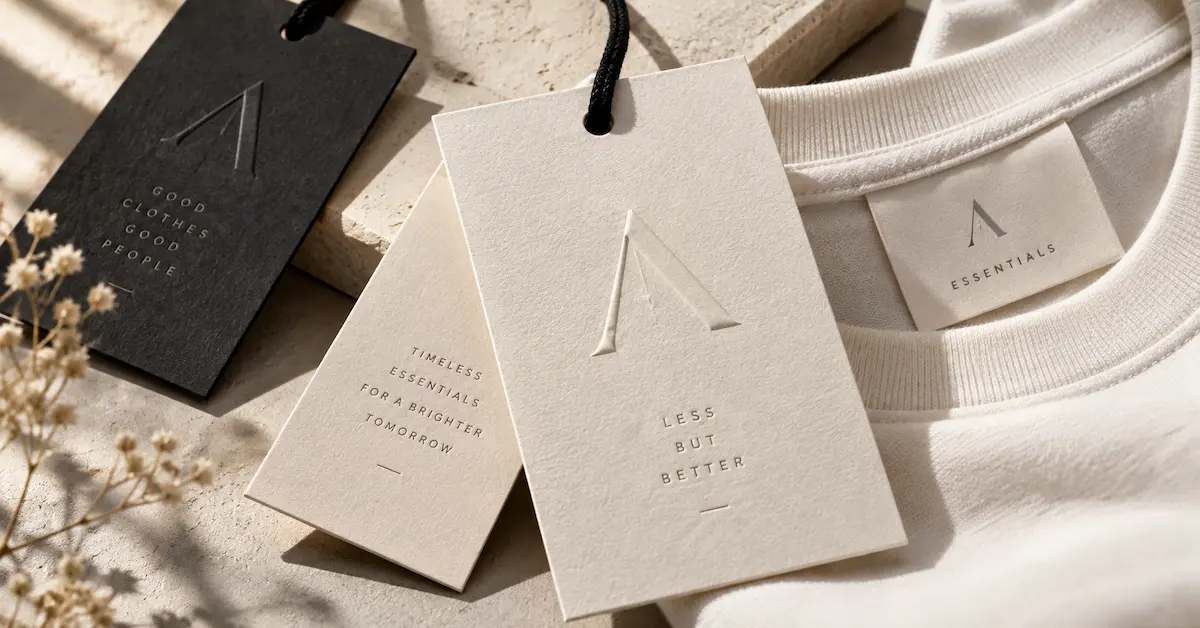
Store interiors, garment labels, hang tags, tissue paper and shopping bags may share related colors, typography and design details.
The paper bag becomes a visible part of that system.
Establishing a Recognizable Brand Appearance
A bag should display the approved logo clearly and at a scale suitable for its dimensions.
The brand may prefer a large centered logo, a small understated mark or a design extending across several surfaces.
The appropriate layout depends on the identity and intended presentation.
Coordinating Colors
Paper color and printed artwork should reflect the boutique's brand direction.
However, color reproduction differs depending on paper stock, coatings and printing processes.
A digital mockup should not be treated as final color approval.
Balancing Simplicity and Detail
Minimalist retail packaging can be effective when material quality, logo placement and finishing are carefully controlled.
More elaborate bags may include patterns, decorative foil or additional messages.
The design should support the brand rather than introduce unnecessary production complexity.
Creating a Consistent Shopping Experience
Different bag sizes should remain recognizable as part of the same collection.
A small accessories bag and a larger clothing bag may use different layouts while retaining common typography, color references and handle styles.
How to Choose the Right Paper for Boutique Shopping Bags
Paper selection affects the bag's appearance, stiffness, folding behavior and suitability for carrying the intended products.
Several paper options may be considered, depending on the packaging specification.
Kraft Paper
Kraft paper is commonly considered for shopping bags where a natural or understated appearance is desired.
Available grades vary in strength, color, texture and printing characteristics.
A kraft appearance does not automatically demonstrate recycled content or environmental performance.
Any such claims should be supported by documentation for the selected material.
White Paper
White paper can provide a neutral background for brand graphics and colors.
Its actual surface properties depend on the paper grade and any coatings or finishing treatments.
Buyers should review how the printed logo appears on the selected stock.
Coated Paper
Coated paper may be useful for certain printing or surface requirements.
However, coating compatibility should be considered alongside folding, lamination and other finishing processes.
Specialty Paper
Textured, colored or otherwise distinctive papers can contribute to a more individualized retail presentation.
Material availability and handling performance should be confirmed before bulk ordering.
| Paper Option | Potential Application | Main Evaluation |
|---|---|---|
| Natural kraft paper | Understated retail packaging | Strength, texture and print appearance |
| White paper | Clean branded shopping bags | Color reproduction and surface finish |
| Coated paper | Selected printed designs | Printing and folding compatibility |
| Colored paper | Brand-specific presentation | Material color and consistency |
| Specialty stock | Premium boutique packaging | Surface, availability and construction |
The final paper choice should be evaluated using an assembled shopping bag, not only a flat material sample.
What Paper Weight Is Suitable for Clothing Shopping Bags?
Paper weight is often described in grams per square meter, or gsm.
It is an important specification, but it should not be used as the only indicator of bag performance.
Paper composition, fiber characteristics, construction, dimensions and handle reinforcement also influence the finished product.
Material Weight
A higher paper weight does not automatically guarantee that a shopping bag will perform better under all loading conditions.
The correct grade depends on the intended contents and bag construction.
Bag Stiffness
Stiffness affects how a bag maintains its shape when carried or placed on a surface.
A more rigid construction may provide a structured appearance but can introduce different folding or storage requirements.
Folding Performance
Paper must accommodate the bag's fold lines and gussets.
An unsuitable combination of stock and finishing may develop visible surface damage during folding.
Handle Compatibility
The paper construction should work with the selected handle attachment.
A thick bag body cannot compensate for a poorly designed handle attachment point.
Physical Evaluation
Ask the supplier to develop a representative bag using the proposed paper and handle combination.
Evaluate it with contents reflecting the boutique's actual products.
Choosing the Right Size for Custom Boutique Clothing Paper Bags
Shopping bag dimensions should follow the garments and products they are expected to contain.
A bag that is too small can deform or compress the contents. A bag that is unnecessarily large may use additional material and be awkward to carry.
Width and Height
These dimensions affect how garments fit and how the bag appears when carried.
For boutiques selling multiple product types, more than one size may be appropriate.
Side Gusset
The gusset provides depth.
Its dimension should reflect the thickness of folded garments or retail boxes placed inside.
Bottom Construction
The bottom of the bag must accommodate the intended load and provide a suitable base.
The chosen structure should be considered alongside the paper stock and reinforcement.
Allowing Space for Packaging Accessories
Some boutiques include tissue paper, hang tags or gift wrapping.
These items should be considered when defining internal capacity.
Evaluating Different Clothing Products
| Product Type | Packaging Consideration |
|---|---|
| Lightweight T-shirts | Folded dimensions and quantity |
| Shirts | Maintaining a neat folded presentation |
| Knitwear | Product thickness and volume |
| Jackets | Larger dimensions and garment bulk |
| Fashion accessories | Smaller bags or protective inserts |
| Boxed gifts | Box dimensions and suitable base support |
Exact dimensions should be established from actual products and approved packaging prototypes.
Comparing Paper Bag Handle Options
The handle is both a functional component and a visible design element.
Different materials can create different appearances, but suitability must be evaluated based on the expected contents and attachment construction.
Twisted Paper Handles
Twisted paper handles are commonly used on certain retail paper bags.
They can be integrated into suitable bag constructions and may support a simple visual appearance.
Cotton Cord Handles
Cotton cords may complement premium paper stocks or textile-oriented brand identities.
Buyers should review the cord diameter, color, finish and attachment method.
Ribbon Handles
Ribbon handles may provide a softer decorative effect.
Their width and attachment should be suitable for the intended bag.
Other Cord Materials
Alternative cord constructions may be available where different textures or handling characteristics are desired.
The supplier should confirm the actual material and available specifications.
| Handle Type | Visual Direction | Main Quality Check |
|---|---|---|
| Twisted paper | Practical retail presentation | Attachment integrity |
| Cotton cord | Textile-inspired, premium appearance | Cord and reinforcement |
| Ribbon | Decorative boutique presentation | Attachment and handling |
| Other cord constructions | Customized surface and color | Material and load suitability |
Handle appearance should be approved together with the finished bag.
Paper Bag Handle Strength Testing and Structural Evaluation
Paper bag handle strength testing should evaluate the complete bag construction, not only the cord or handle material.
The load is transferred through the handle, attachment points, reinforced areas, paper body and bag base.
A weakness in one component can affect the performance of the entire bag.
Evaluate the Intended Carrying Load
The buyer should identify the products that the bag is expected to carry.
Testing should reflect representative garment quantities and weights.
Inspect Handle Attachment
Depending on the construction, the handle may use knots, adhesive, reinforcement patches or other attachment methods.
These connections should be checked as part of the complete bag.
Check the Reinforced Areas
Some designs require reinforcement around handle attachment points.
The suitability of reinforcement depends on the bag structure and intended load.
Evaluate the Bottom
The bottom panel and its assembly should remain appropriate for the contents.
Handle testing alone does not establish complete bag reliability.
Review Realistic Handling
A bag may be lifted, carried and set down repeatedly during normal shopping activity.
The evaluation plan should reflect the intended use and agreed acceptance criteria.
| Test Area | What to Evaluate |
|---|---|
| Handle material | Suitability for expected handling |
| Handle attachment | Connection to the paper bag |
| Reinforcement | Integrity around attachment points |
| Bag body | Visible tearing or deformation |
| Bag bottom | Condition under representative loading |
| Completed bag | Overall handling and appearance |
Do not use unsupported load ratings or claim a bag can carry a particular weight without product-specific test evidence.
Printing and Finishing Options for Boutique Paper Bags
Printing and finishing establish much of the bag's visual character.
The chosen process should work with the paper, artwork and intended use.
Brand Logo Printing
The logo should remain recognizable at the approved size.
Small lettering and fine details should be reviewed using a physical print sample.
Color Printing
Brand colors should be evaluated on the actual paper stock.
Different paper surfaces may influence color appearance.
Foil Stamping
Foil stamping can create decorative metallic or specialty effects on compatible materials.
The supplier should confirm paper suitability, artwork detail and production feasibility.
Embossing and Debossing
Raised or recessed effects may be considered for certain bag constructions or attached panels.
Their feasibility depends on the paper, conversion sequence and available production processes.
Lamination
Selected surface treatments may affect gloss, texture or handling characteristics.
The combination of printing, lamination and folding should be tested before production.
Avoiding Excessive Complexity
More finishing processes do not automatically result in better packaging.
A clear logo, suitable material and coordinated handle may provide the desired presentation without numerous decorative techniques.
Coordinating Printed Retail Shopping Bags With Fashion Branding
For printed retail shopping bags, fashion brand consistency depends on more than repeating the same logo.
A coordinated system should include shared artwork references while accounting for different materials.
Matching Garment Labels
Woven garment labels may establish the brand's typography and logo proportions.
The paper bag can use the same approved master artwork, adapted to the printing process.
Matching Hang Tags
Custom hang tags and shopping bags are both visible during the retail experience.
Their paper materials and finishes do not need to be identical, but the design should feel related.
Matching Packaging Boxes
Some boutiques provide both boxes and shopping bags.
The bag should accommodate the box where that is part of the purchasing experience.
Creating a Consistent Color System
Different packaging components may use different substrates.
A brand can establish physical color references to guide production across materials.
Managing Seasonal Collections
Seasonal collections may introduce new colors or graphics while retaining the main brand identity.
Artwork versions and packaging specifications should be clearly recorded.
From Artwork to Branded Boutique Packaging Samples
This boutique paper bag case study brief emphasizes physical sample approval because bag performance and visual presentation cannot be established from digital artwork alone.
Branded boutique packaging samples should represent the intended materials and construction as closely as practical.
Step 1: Prepare the Retail Packaging Brief
Define the intended products, bag sizes, artwork, material preferences and handling requirements.
Step 2: Select Paper and Handles
Review suitable paper stocks and handle options.
Consider the full bag construction rather than choosing each component independently.
Step 3: Confirm Bag Dimensions
Use representative products to determine suitable dimensions and gusset requirements.
Step 4: Review Artwork
Confirm logo placement, printing colors and any specialty finishes.
Step 5: Produce a Physical Sample
Develop a completed bag using the agreed materials, handles and finishing.
Step 6: Evaluate the Appearance
Inspect printing, proportions, surface quality and overall presentation.
Step 7: Test Product Fit and Handling
Place representative garments or boxes into the bag.
Evaluate carrying, structural suitability and any agreed load requirements.
Step 8: Approve the Production Reference
Retain the approved bag, artwork version and material specifications.
These records can support manufacturing and repeat orders.
Quality Control for Custom Boutique Paper Bags
The quality inspection plan should cover the paper, printing, folding, handles and finished assembly.
| Inspection Item | What to Check | Approval Reference |
|---|---|---|
| Paper stock | Color, surface and material construction | Approved paper sample |
| Dimensions | Finished width, height and gusset | Approved drawing |
| Printing | Logo detail and registration | Approved artwork |
| Finishing | Foil, coating or other visual effects | Approved physical sample |
| Folding | Creases and bag geometry | Finished reference bag |
| Handles | Material, position and attachment | Approved assembly |
| Bottom construction | Integrity and shape | Structural specification |
| Load suitability | Performance under agreed conditions | Defined evaluation procedure |
| Packing | Correct designs and quantities | Packing specification |
Material Consistency
Differences in material shade or thickness can influence the final appearance.
Print Quality
Check for incomplete artwork, obvious registration problems or unacceptable marks.
Folding and Gluing
Inspect the finished bag structure for alignment and assembly quality.
Handle Attachment
Verify that handles and any reinforcements are consistent with the approved construction.
Finished Bag Inspection
The completed bag should be evaluated as a usable retail product.
Common Problems in Boutique Paper Bag Production
Understanding potential problems helps buyers plan the approval and inspection process.
Handles Separate From the Bag
Possible causes include attachment, reinforcement or loading issues.
Review the complete handle structure and actual use conditions.
The Bag Loses Its Shape
The paper, dimensions or construction may not suit the intended contents.
Compare alternative structures with representative products.
Printing Appears Different From the Artwork
Paper surfaces, color reproduction and production methods can affect the result.
Approve a physical print reference.
Bag Folds Show Unwanted Marks
Material and finishing choices may influence crease appearance.
Check the complete converted bag rather than the flat printed sheet.
Incorrect Bag Dimensions
Measurements may differ from the intended product requirements.
Maintain a clear finished-size specification.
Inconsistent Handle Colors
Attachment materials can vary in appearance.
Use approved physical samples and color references.
Mixed Bag Variations
Retailers using several sizes or seasonal designs should establish clear production and packing identification.
Planning Multiple Paper Bag Sizes for a Boutique
A boutique may need more than one shopping bag size.
The goal is to support different products without unnecessarily complicating inventory.
Identify Core Product Groups
Review the main garment and accessory categories.
Determine Practical Bag Sizes
Use folded product dimensions to identify which sizes are necessary.
Maintain Shared Branding
Different sizes should follow common visual references.
Logo position may be adjusted where necessary to maintain proportions.
Standardize Materials Where Practical
Using coordinated materials and handles may simplify purchasing and stock management.
However, different sizes may require different structural specifications.
Document Each SKU
Record the paper, dimensions, artwork, handles and packaging requirements for every bag version.
What Determines the Cost of Custom Boutique Paper Bags?
The price of a customized paper bag depends on its materials, dimensions, printing and construction.
Key factors may include:
-
Paper type and grade
-
Bag width, height and gusset
-
Printed colors and coverage
-
Foil stamping or specialty finishing
-
Handle material
-
Reinforcement construction
-
Bag bottom design
-
Order quantity
-
Number of size or artwork variations
-
Sampling and tooling requirements
-
Assembly and packing
-
Delivery destination
Paper and Construction
Different paper stocks and bag structures can have different manufacturing requirements.
Printing and Finishes
Additional finishes may involve separate operations.
Handles
The handle material and attachment method contribute to the completed bag specification.
Multiple Sizes
A retailer ordering several sizes should request separate quotations for each variation.
Total Finished Cost
Compare complete assembled shopping bags rather than paper printing alone.
A quotation should clearly identify what is included.
What Should Buyers Include in a Paper Shopping Bag RFQ?
A clear RFQ helps suppliers recommend suitable materials and prepare an accurate quotation.
| Required Information | Buyer Details |
|---|---|
| Brand artwork | Approved logo and graphics |
| Retail application | Clothing, accessories or boxed purchases |
| Bag sizes | Width, height and gusset |
| Paper preferences | Stock, color, weight and finish |
| Printing | Colors and artwork placement |
| Specialty finishes | Foil, lamination or other details |
| Handle options | Paper, cotton, ribbon or cord |
| Carrying requirements | Expected contents and use |
| Order quantity | Quantity by size and design |
| Artwork variations | Seasonal or collection versions |
| Sampling | Physical sample approval |
| Delivery | Destination and target schedule |
If the exact material has not been selected, provide reference images and intended use conditions so the supplier can discuss feasible options.
Frequently Asked Questions About Boutique Paper Shopping Bags
What paper is suitable for boutique clothing shopping bags?
Kraft, white, coated and specialty papers may be considered. The best choice depends on printing requirements, bag construction, appearance and expected carrying conditions.
How should boutique shopping bag sizes be selected?
Use the folded dimensions and quantities of the products being carried. Evaluate physical samples with representative garments or packaging boxes.
Are cotton handles better than paper handles?
Neither is universally better. Appearance, attachment method, expected load and material compatibility determine suitability.
How do suppliers evaluate paper bag handle strength?
The evaluation should consider the handle, attachment points, reinforcement, bag body and intended load. A defined test procedure and acceptance criteria should be agreed.
Can boutique paper bags use foil-stamped logos?
Foil stamping may be used on compatible materials and constructions. Physical samples should confirm the intended appearance and finishing quality.
Can paper bags match woven labels and hang tags?
They can share master brand artwork, colors and visual direction. Different substrates may require separate production specifications and physical color approval.
What is the minimum order quantity for custom boutique paper bags?
Minimum order quantities vary by supplier, material, construction and printing requirements. Request a product-specific quotation.
What should be approved before mass production?
Approve the complete bag, including paper, dimensions, printing, handles, folding, assembly and any agreed load or handling evaluations.
Developing Branded Boutique Paper Bags With QTTAG
A suitable paper shopping bag connects the boutique's visual identity with practical retail packaging requirements.
The paper, structure, printing and handles should be selected as one coordinated construction.
The approach outlined in this boutique paper bag case study brief helps fashion retailers prepare a clearer specification, evaluate physical samples and establish appropriate quality requirements.
QTTAG supports custom apparel branding and packaging projects, including paper shopping bags, packaging boxes, garment packaging and coordinated branding components.
When discussing a new project, share the intended products, required bag sizes, logo artwork, paper preferences, handle options and estimated order quantity.
These details provide a starting point for discussing suitable customization and sampling options.
Ready to Create Custom Paper Bags for Your Boutique Clothing Store?
Share your logo artwork, preferred paper materials, bag dimensions, handle requirements, printing finishes and estimated order quantity with QTTAG.
Our team can discuss suitable custom paper bag designs, construction options and physical sampling for your retail collection.
Request a Quote
Author
Founder at QTTAG
Jason Qiao is the founder of QTTAG, focusing on garment branding and packaging solutions. With years of experience in the apparel industry, he shares practical insights on custom labels, hang tags and sustainable packaging to help global brands grow.
Written By
Jason Qiao